Historic Change of Command Ceremony Takes Flight at NAS North Island: Helicopter Squadron Leadership Transition Conducted in the Air
Military traditions are built on symbolism, precision, and continuity. Every salute, every formation, and every ceremonial detail serves a purpose.
But every once in a while, a military unit finds a way to honor tradition while creating something truly unforgettable.
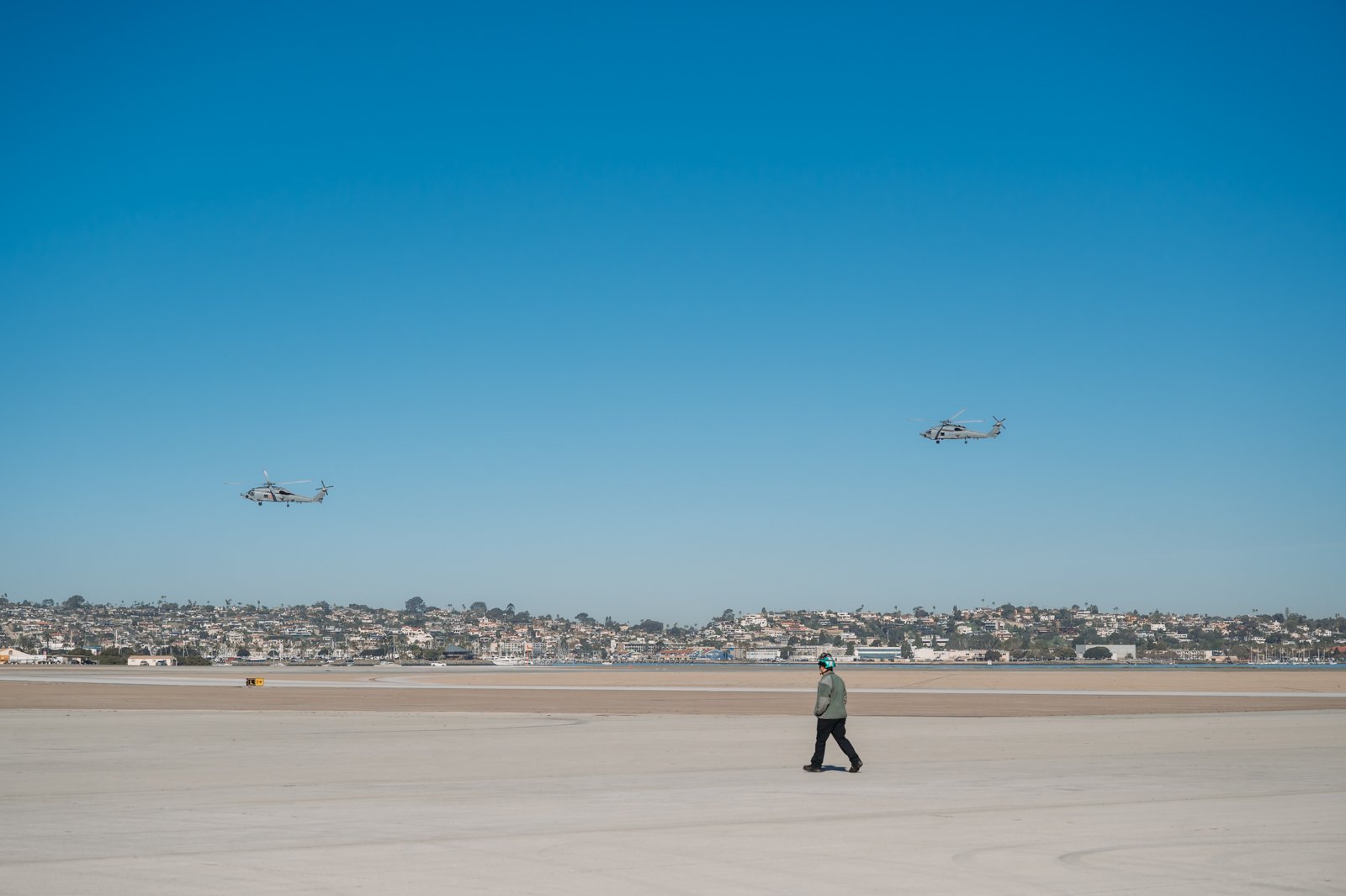
Recently at Naval Air Station North Island (NASNI) in San Diego, a helicopter squadron (HSM-49) hosted a Change of Command ceremony unlike any most attendees had ever witnessed. While the ceremony included the formal traditions expected of a military leadership transition, the defining moment happened not on the stage—but in the sky.
The outgoing and incoming Commanding Officers conducted the official transfer of command while airborne in their helicopters, reading their orders in flight before executing a symbolic position change that perfectly represented the passing of leadership from one commander to the next.
It was a remarkable demonstration of military tradition, aviation heritage, and the responsibility that comes with leading a squadron.
What Is a Change of Command Ceremony?
A Change of Command ceremony is one of the most significant traditions in the United States military. It formally transfers authority and responsibility from one commanding officer to another while ensuring continuity of leadership within the unit.
The ceremony serves several important purposes:
Honors the accomplishments of the outgoing commander
Officially introduces the incoming commander
Reinforces confidence in the unit's leadership
Preserves military tradition
Allows service members, families, and guests to witness the transition
For military members, a Change of Command often represents years of leadership, deployments, training, and service. For families, it marks the culmination of countless sacrifices and moments of support behind the scenes.
Setting the Stage at NAS North Island
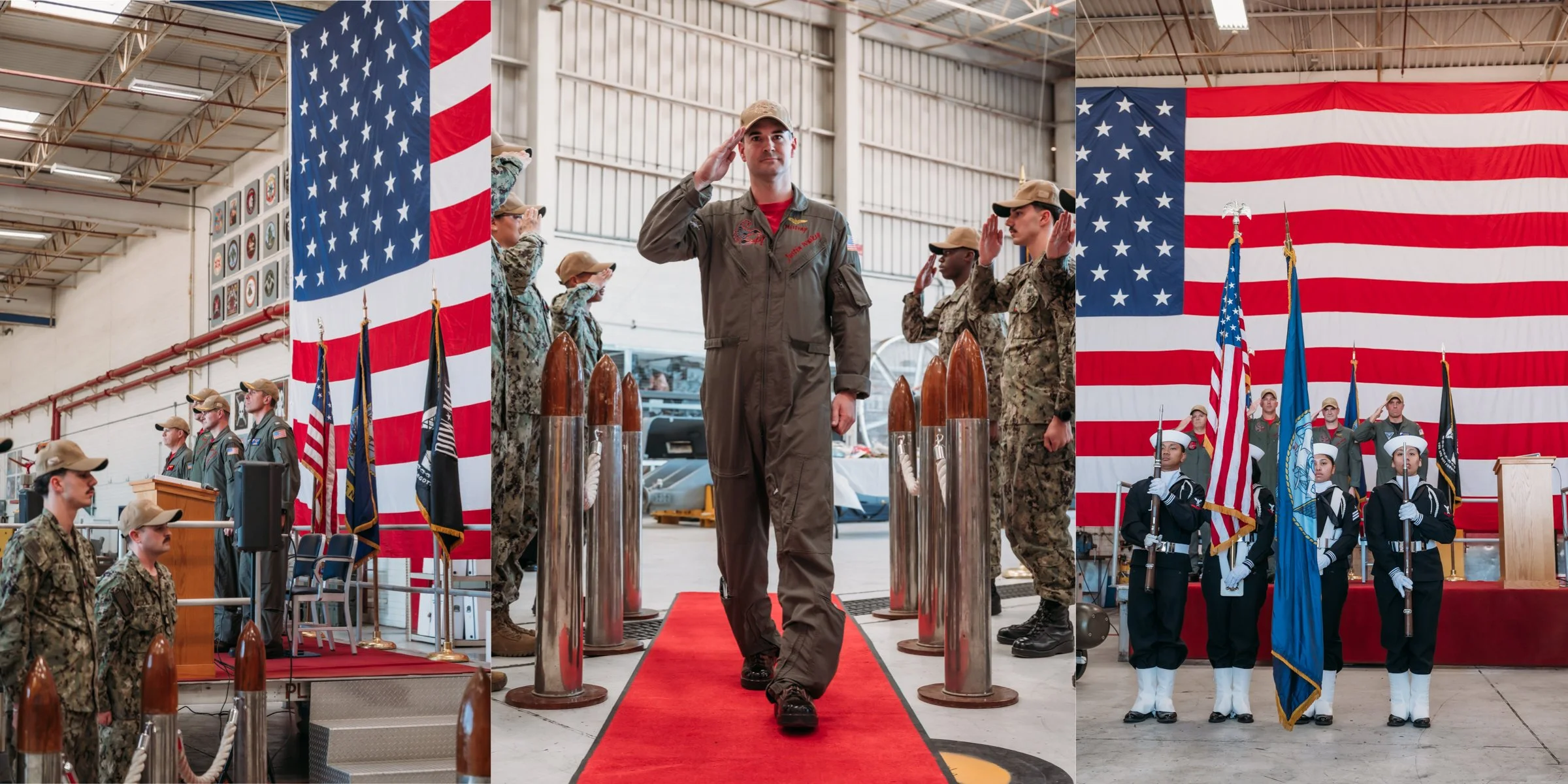
The ceremony began inside the squadron hangar beneath a massive American flag that stretched from floor to ceiling.
Service members stood in formation while family members, friends, distinguished guests, and fellow aviators gathered to witness the occasion. The atmosphere was both celebratory and reflective.
Military ceremonies have a unique way of bringing together professionalism and emotion.
There was pride in the accomplishments being recognized.
There was excitement for the future of the squadron.
And there was gratitude for the families whose support helped make a successful command tour possible.
From the color guard presentation to the ceremonial remarks, every detail reflected the professionalism and heritage of naval aviation.
A Leadership Transition That Took Flight
While the traditional portions of the ceremony were meaningful, what happened next elevated this Change of Command into something truly extraordinary.
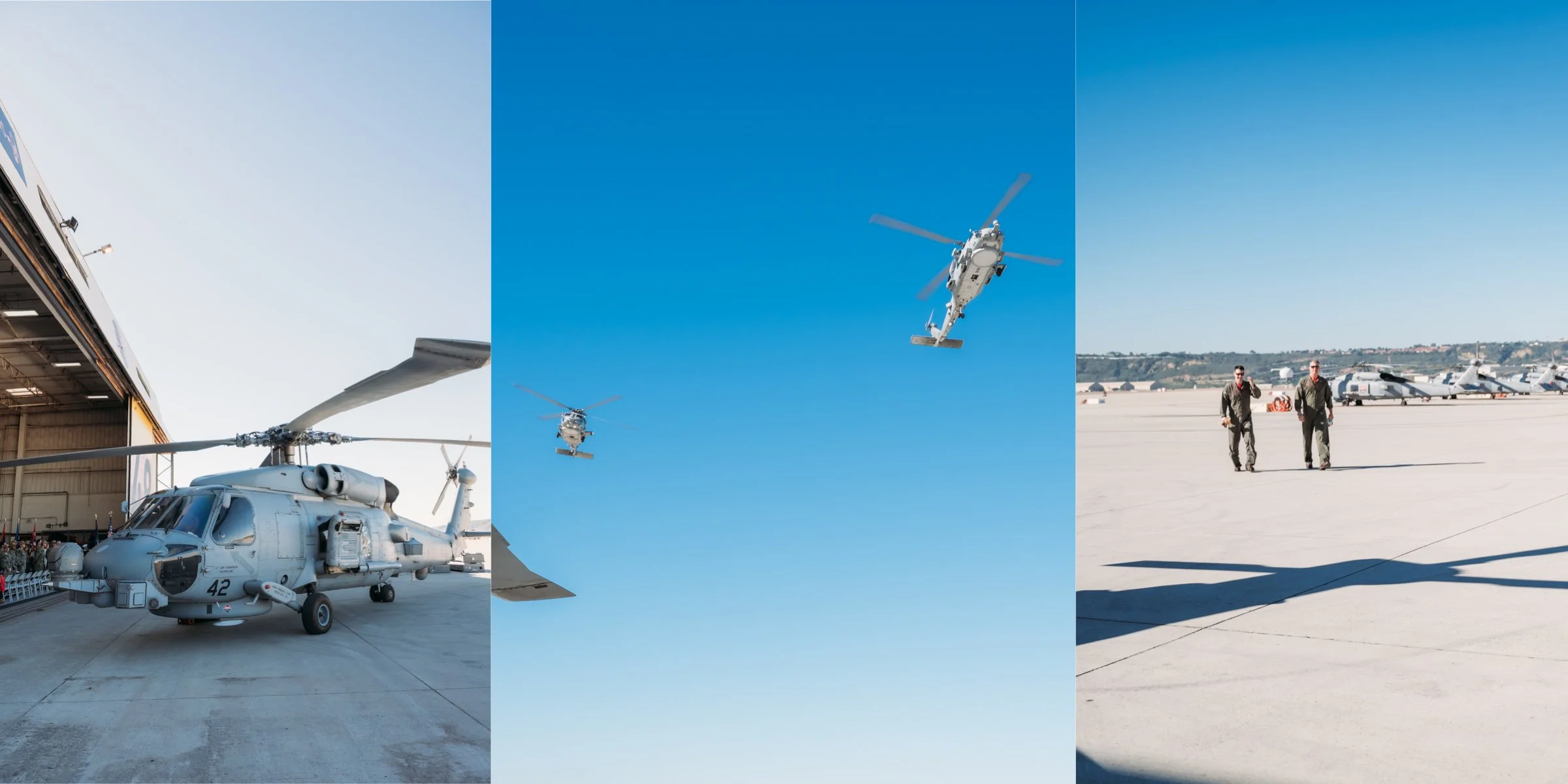
Following the formal proceedings, helicopters launched from NAS North Island and took to the skies.
Once airborne, the outgoing and incoming Commanding Officers read their official orders while flying, completing the formal transfer of authority in a way that reflected the squadron's operational mission.
Then came the moment everyone would remember.
Flying in formation, one helicopter held the lead position while the second aircraft followed behind.
As the transfer of command became official, the formation began a carefully planned transition.
The lead aircraft gradually yielded its position.
The second helicopter moved forward.
The incoming Commanding Officer assumed the lead.
For everyone watching, the symbolism was unmistakable.
Leadership was changing hands.
Responsibility was being transferred.
The mission continued uninterrupted.
The formation remained intact.
But the leader at the front had changed.
In a profession where precision, trust, and teamwork are essential, the maneuver perfectly illustrated the meaning of a Change of Command. The squadron demonstrated not only who was taking command, but what military leadership truly represents: continuity, confidence, and commitment to mission success.
A Ceremony That Reflected the Squadron's Identity
For aviation units, aircraft are more than equipment.
They are central to the mission, the culture, and the identity of the squadron.
That's what made this ceremony so impactful.
Rather than simply discussing leadership transition from a podium, the squadron demonstrated it through flight.
The transfer of command wasn't just spoken about—it was visualized.
The aircraft themselves became part of the story, transforming a traditional ceremony into a living representation of military leadership and succession.
Few ceremonies can claim such a direct connection between symbolism and mission execution.
The Family Moments That Matter Most
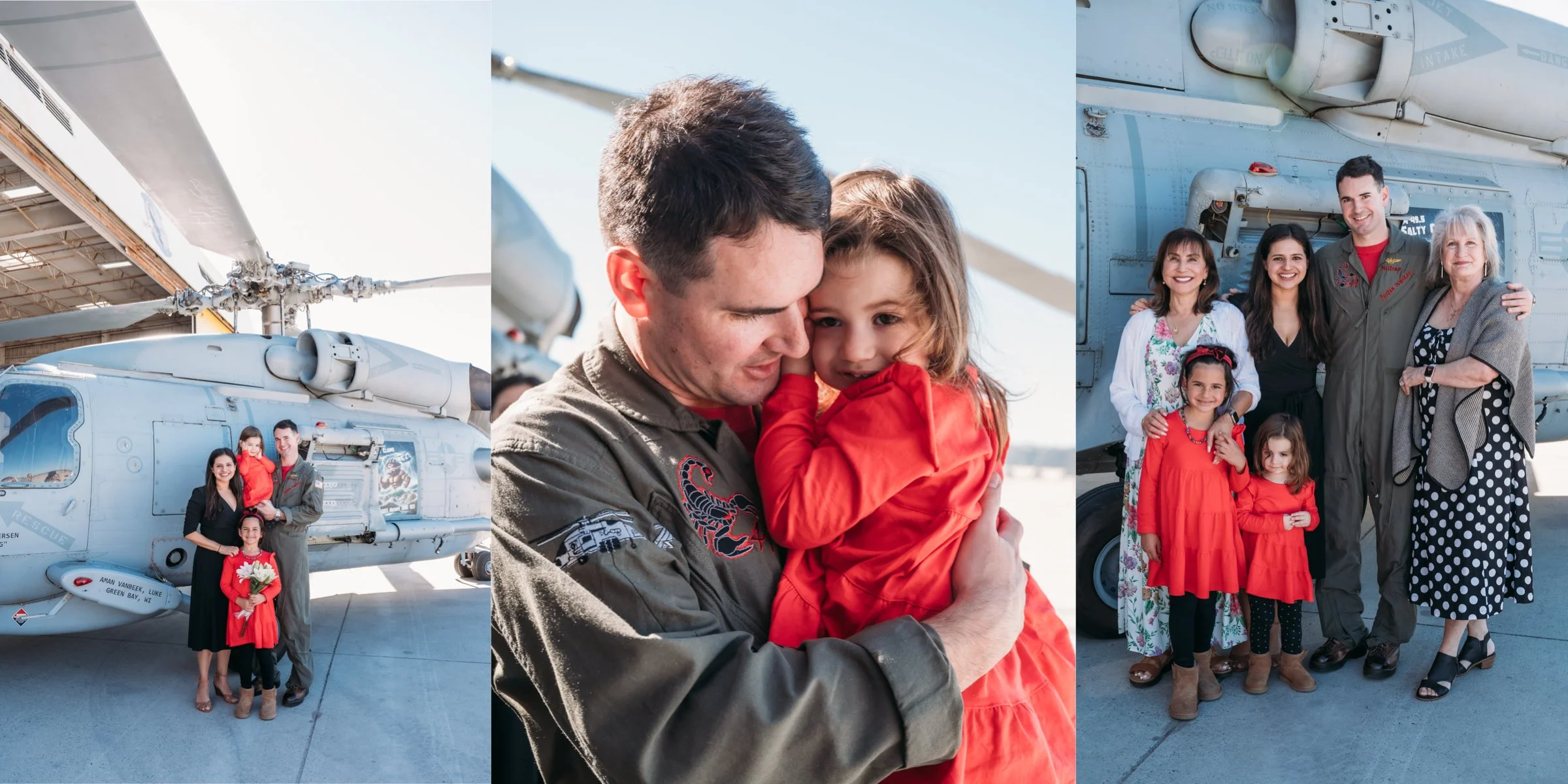
While the aircraft and ceremony were unforgettable, some of the most meaningful moments happened on the ground.
Military milestones are never achieved by service members alone.
Behind every command tour is a family that has supported long hours, deployments, temporary duty assignments, missed holidays, and the countless sacrifices that military life requires.
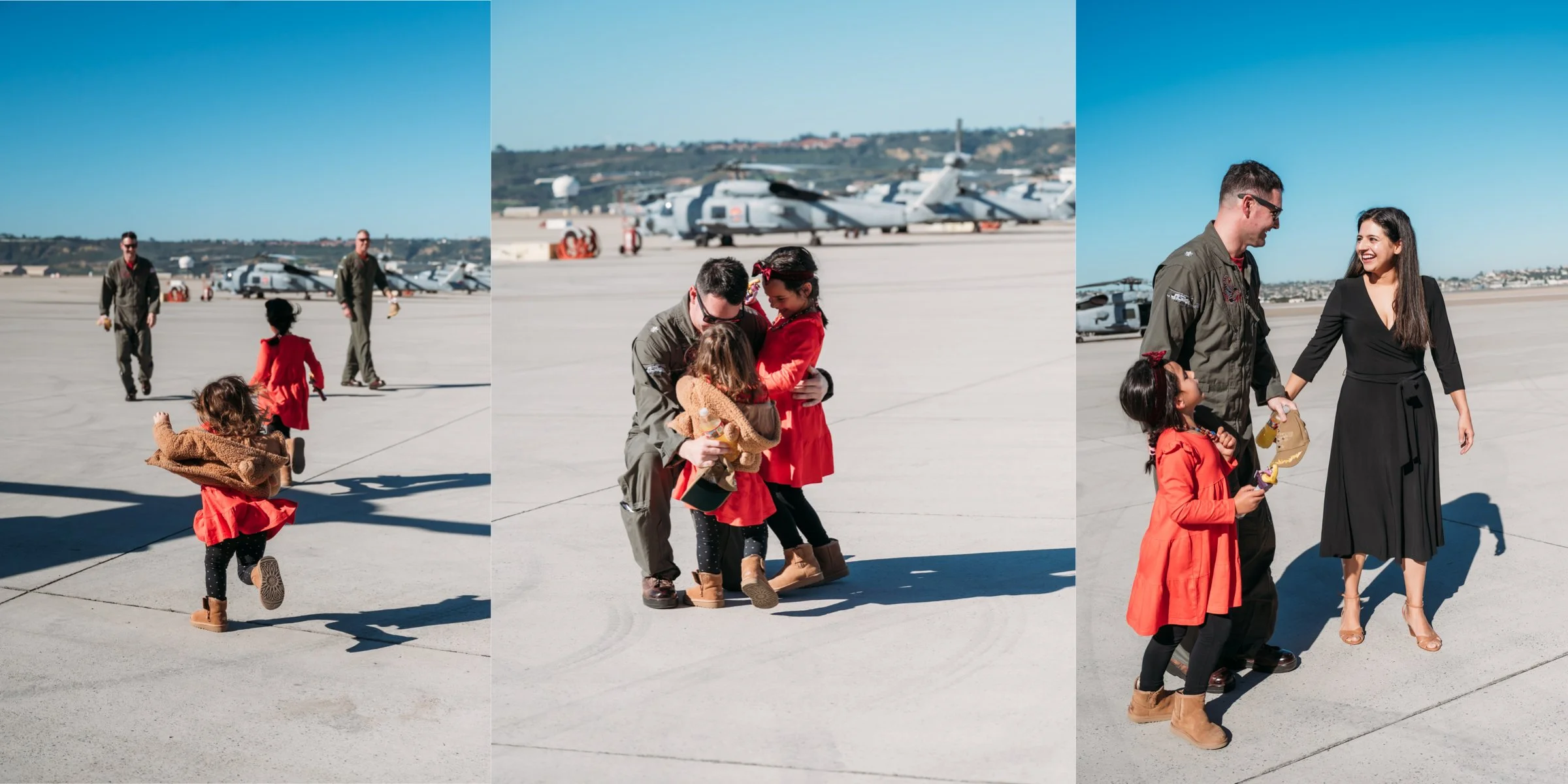
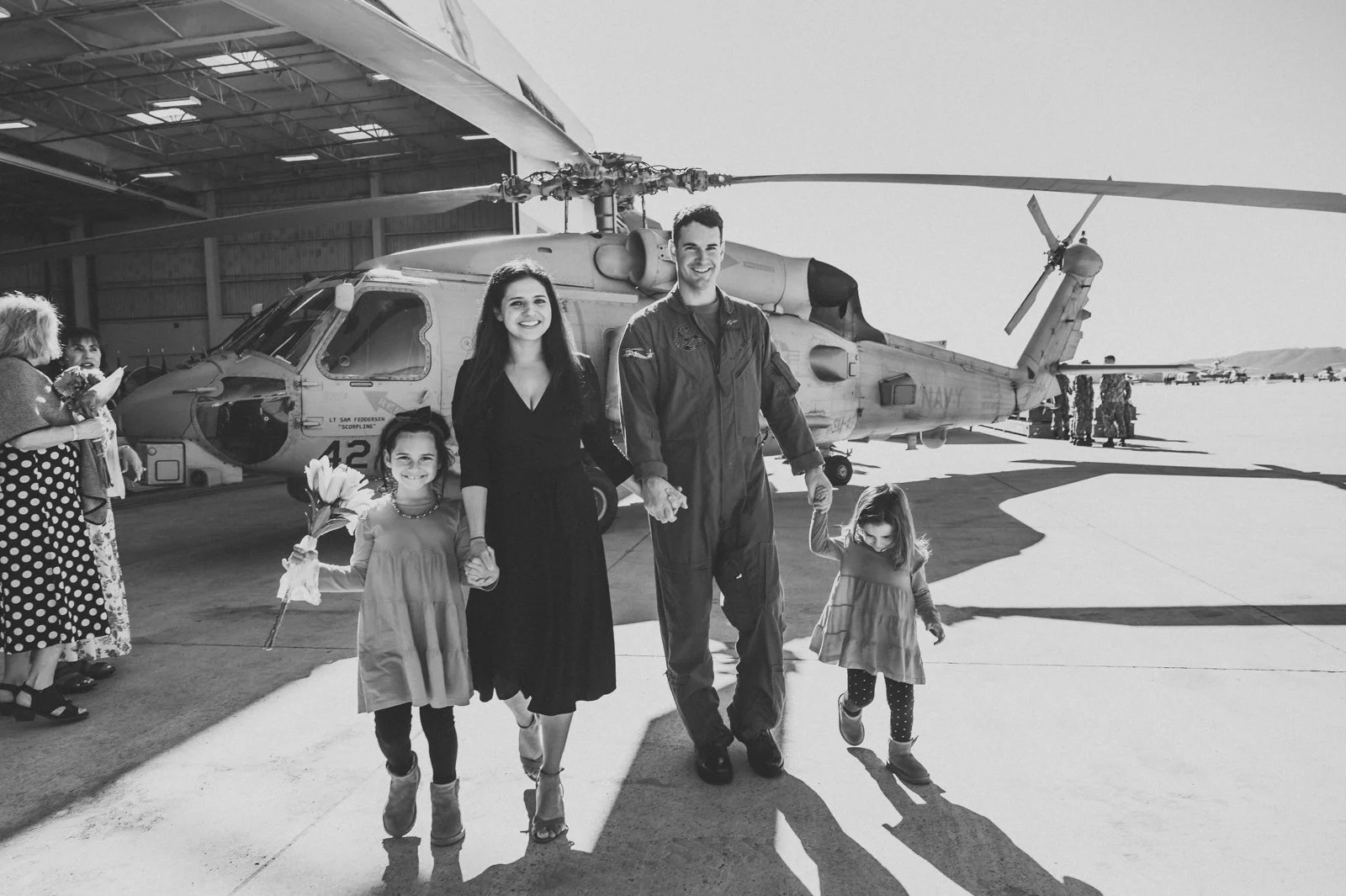
After the ceremony, loved ones gathered on the flight line to celebrate together.
Children raced across the tarmac to greet their parent.
Spouses smiled with pride as years of dedication were recognized.
Family members traveled from across the country to witness a milestone that represented far more than a change in title.
These are often the moments families treasure most.
Long after speeches are forgotten, photographs preserve the hugs, smiles, tears, and quiet expressions of pride that define military service.
Why Professional Photography Matters for Military Ceremonies
A Change of Command ceremony only happens once.
The speeches, salutes, awards, traditions, and family celebrations cannot be recreated.
Professional photography ensures those moments are preserved with the care and attention they deserve.
From documenting the precision of military customs to capturing emotional family interactions, military ceremony photography tells the complete story of the event.
At ceremonies like this one, the most meaningful images often come from both ends of the spectrum:
The grand moments.
And the personal ones.
The aircraft launching into the sky.
A daughter running into her father's arms.
The official transfer of authority.
A spouse watching proudly from the audience.
Together, those moments tell the story of military service in a way words alone never can.
A Historic Day at NAS North Island
Every Change of Command is important.
But few include the transfer of authority while flying helicopters over San Diego.
This remarkable ceremony honored military tradition while showcasing the unique capabilities and culture of a helicopter squadron. By conducting the official transfer of command in the air and symbolically switching lead positions in formation, the squadron created a moment that will be remembered for years to come.
It was a powerful reminder that military leadership is never about a single individual.
It is about continuity.
It is about trust.
And it is about ensuring the mission continues successfully as one leader passes responsibility to the next.
Military Ceremony Photography in San Diego
Military milestones deserve to be documented with the same professionalism and care that service members bring to their careers.
Whether it's a Change of Command ceremony, retirement, promotion, homecoming, reenlistment, or family milestone, Alisha Mowry Photography specializes in preserving the moments that matter most to military families throughout San Diego.
From the precision of military traditions to the heartfelt family moments that follow, every image tells part of the story.
If you're planning a military ceremony at NAS North Island, MCAS Miramar, Naval Base San Diego, or elsewhere in Southern California, we'd be honored to help preserve those memories for generations to come.
